Preparing for a Whole-Home Generator Gas Hookup
A whole-home generator is only as good as the gas line feeding it. Here is how Fountain Valley homeowners prepare, permit, and price the hookup before install day.
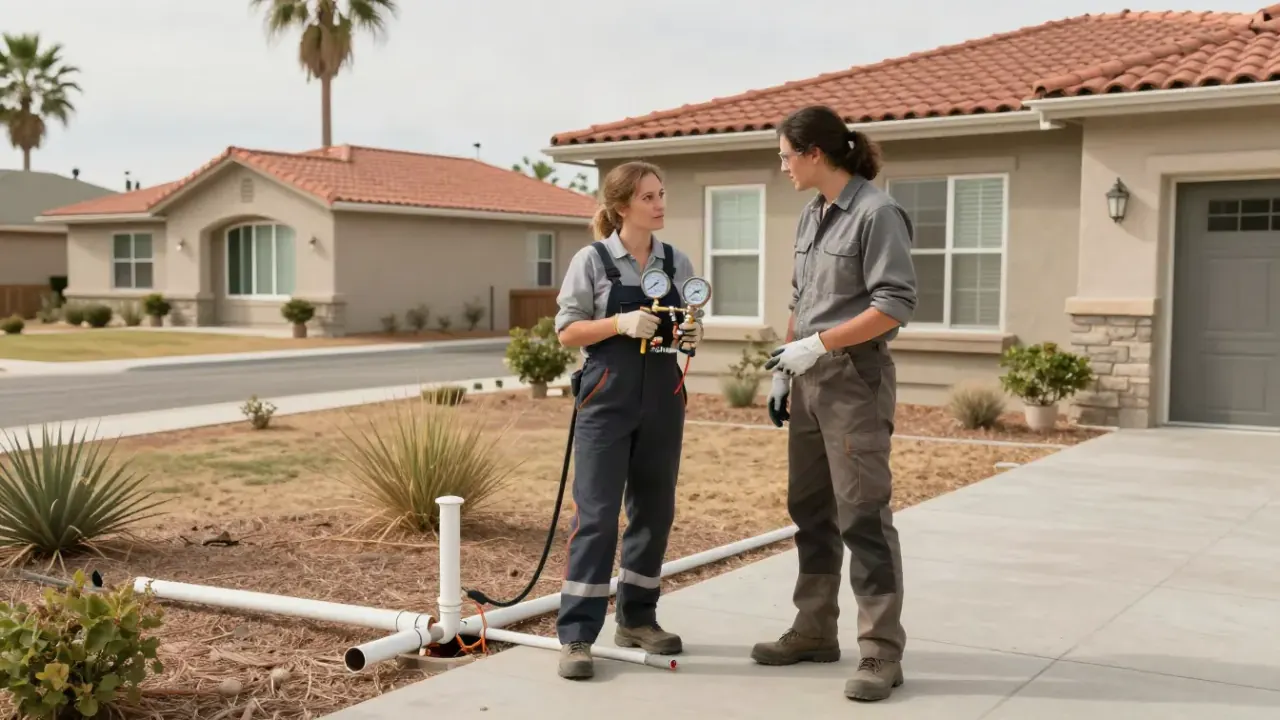
Preparing for a whole-home generator gas hookup in Fountain Valley CA means three things: sizing the gas line to the generator's full-load demand, pulling the right city permit before anyone touches a pipe, and scheduling the trench and connection so the generator is ready before the next outage season. Most homes here need a dedicated 3/4-inch or 1-inch line run from the meter to the generator pad, and the whole job usually takes one to three days once permits clear. This guide walks through the sizing math, the permit path, current pricing, and the mistakes that turn a weekend project into a re-inspection.
What Preparing for a Whole-Home Generator Gas Hookup Actually Involves
Preparing for a whole-home generator gas hookup is the planning work that happens before the first pipe is cut: load calculation, meter capacity check, route selection, permit application, and pad placement. Skip any one of those and you either fail inspection or starve the generator when it matters most.
Here is the sequence we follow on nearly every standby install in Fountain Valley:
- Confirm the generator's BTU input at full load (not the running wattage on the box).
- Check the gas meter's capacity against your existing appliances plus the new load.
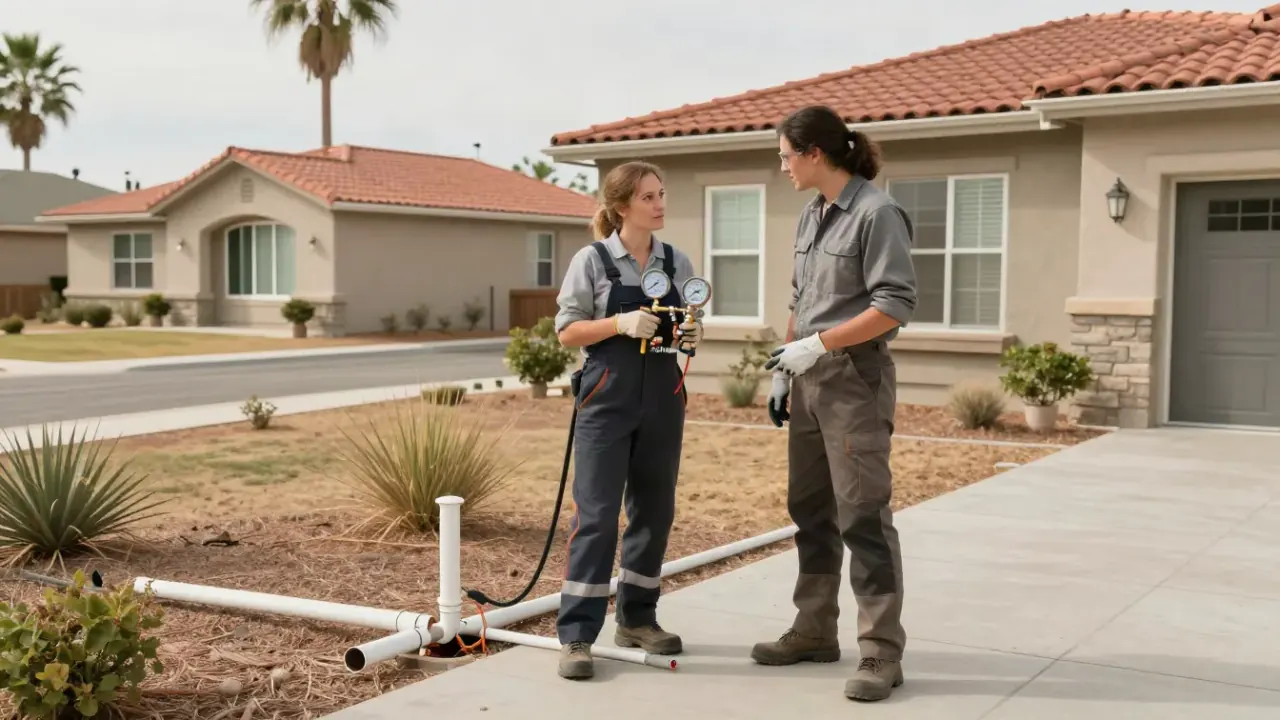
- Map the pipe route from the meter to the generator pad, staying clear of the pool equipment, sewer lateral, and root zones.
- Pull the mechanical and electrical permits with the City of Fountain Valley.
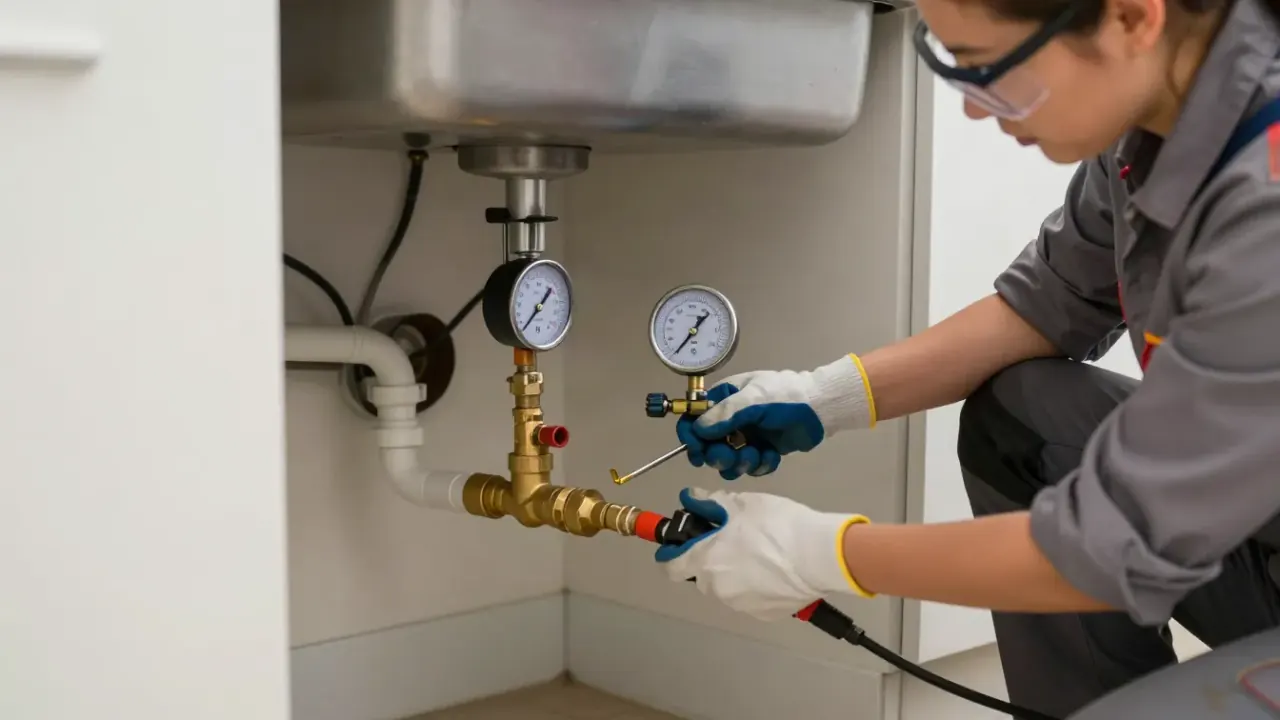
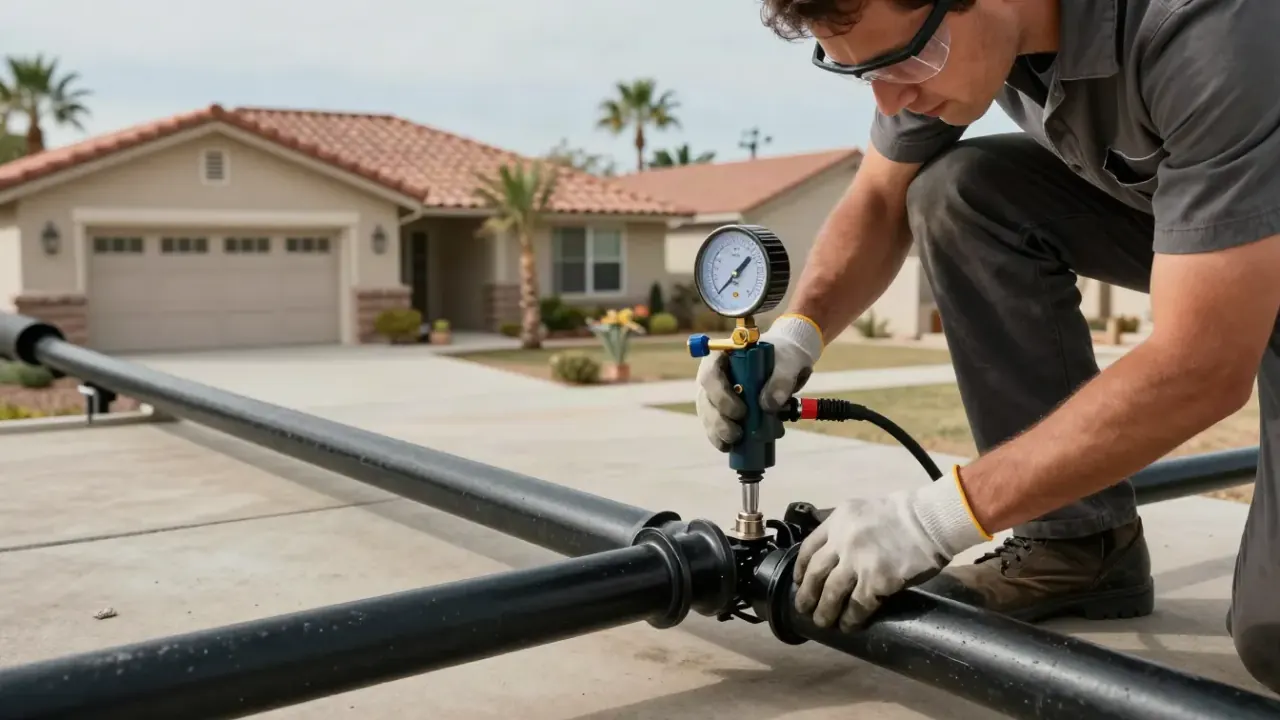
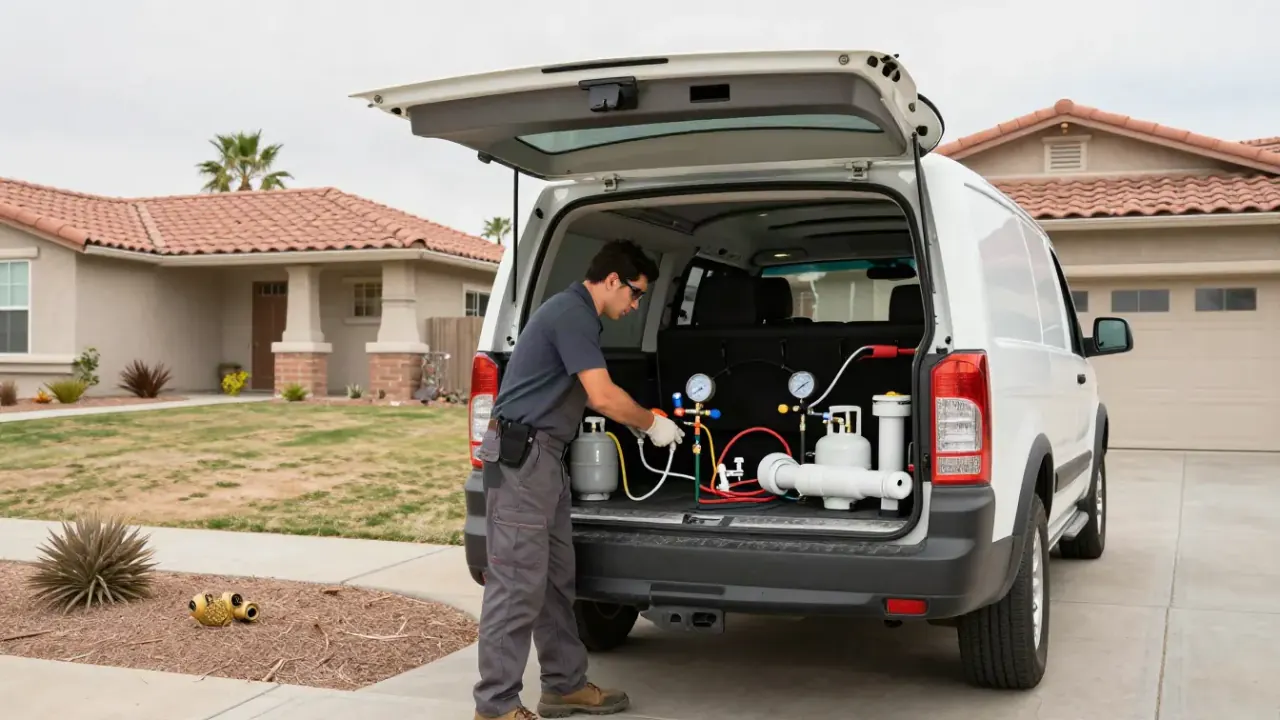
- Trench, run the line, pressure-test it, and coordinate the inspection.
Homeowners who call us after buying a generator at a big-box store usually have the unit sitting in the garage and no idea the gas side is the harder half of the project. The generator itself is plug-and-play. The gas line is not.
How Much Gas Does Your Generator Actually Need?
A 22 kW air-cooled standby generator burns roughly 200,000 to 250,000 BTUs per hour at full load, and that number is what drives your pipe size. A 14 kW unit sits closer to 150,000 BTU/hr. Liquid-cooled 30 kW and 48 kW units can pull 400,000 to 600,000 BTU/hr.
Pipe diameter is not a suggestion. A 1/2-inch line that feeds a patio BBQ will not carry a 22 kW generator even 30 feet. Under-sized pipe causes pressure drop, and pressure drop causes the generator to shut down on a low-fuel fault right when the grid goes down. We size every line against the manufacturer's fuel-consumption table plus the length of the run, then add margin.
Two other numbers matter:
- Meter capacity. A standard residential gas meter in Fountain Valley moves about 250 to 400 cubic feet per hour. Add a generator and you may need the gas utility to upsize the meter or the service.
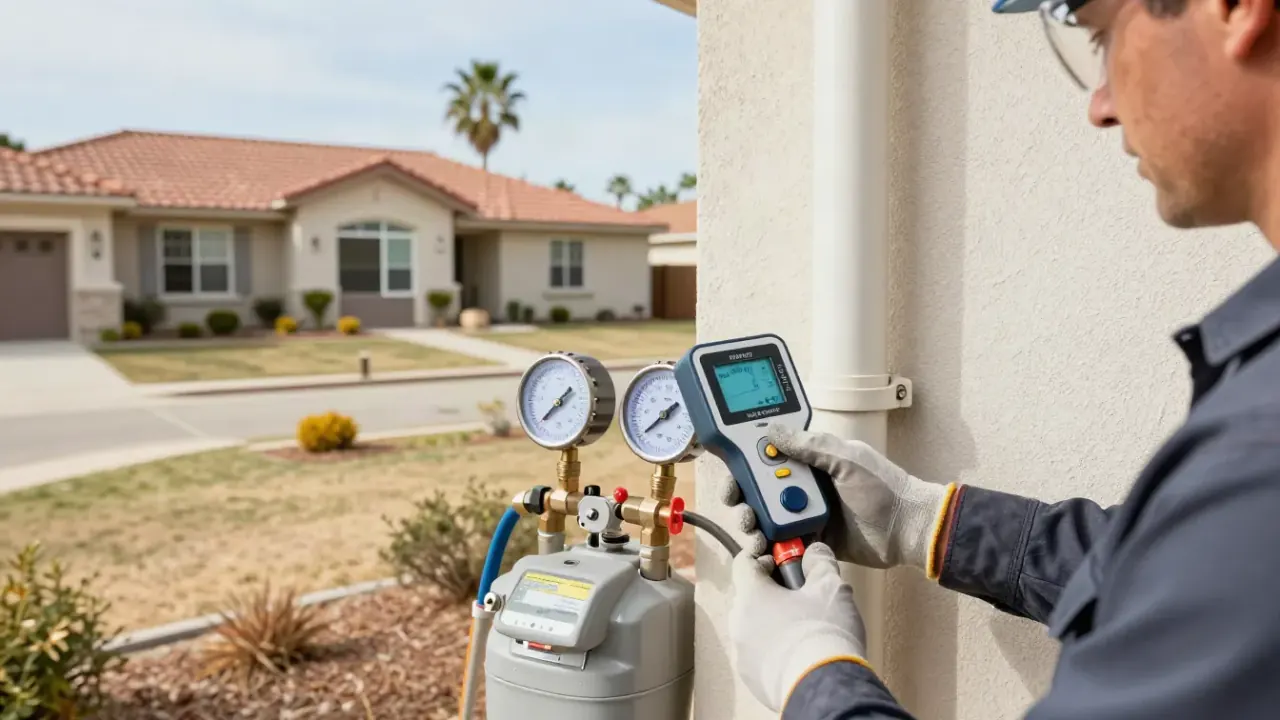
- Static pressure. Most residential generators want 7 to 11 inches of water column at the inlet under full load. We verify that with a manometer after the line is charged.
If the meter needs upgrading, that is a utility-side job and it adds a week or two to the schedule. Better to find out in September than during a January wind event.
Can I Hook Up a Whole Home Generator to Natural Gas in Fountain Valley CA?
Yes. Natural gas is the standard fuel for standby generators in Fountain Valley because the supply does not run out during a regional outage the way propane does. The trade-off is that a natural gas generator produces slightly less power than the same unit on propane, so you size the unit accordingly.
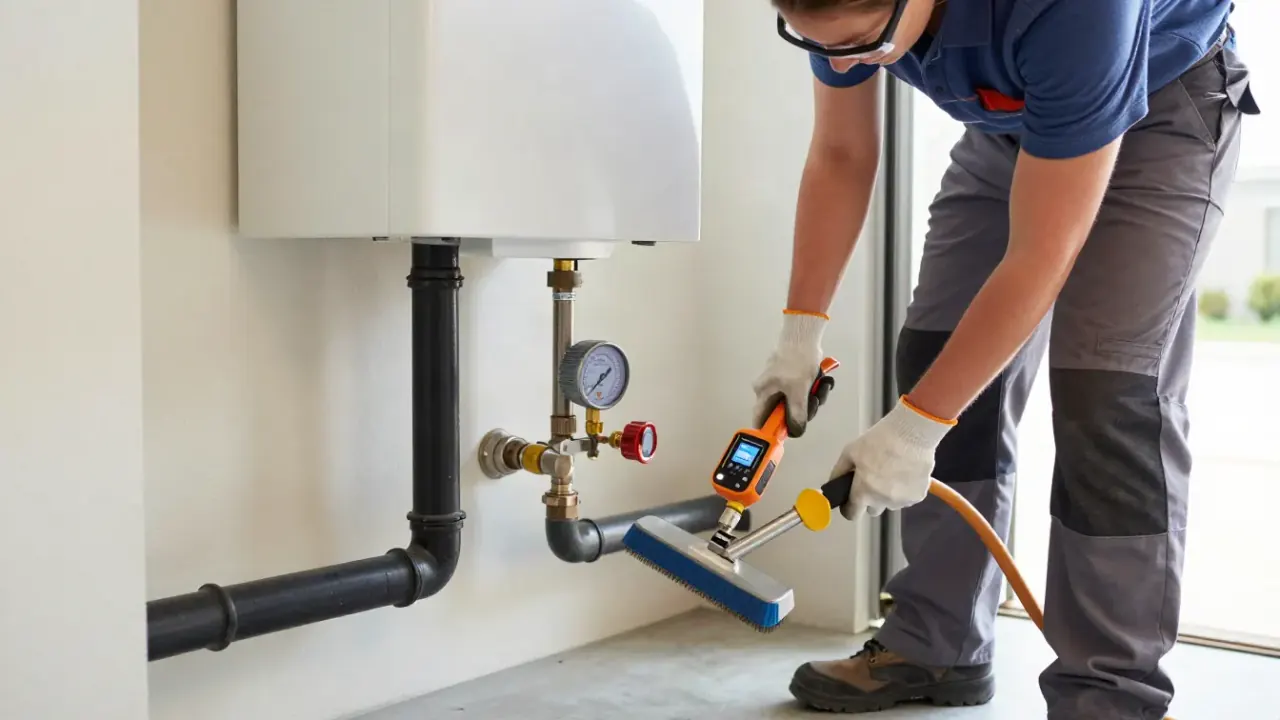
Most of the city sits on SoCalGas mains, and the pressure is reliable. The work is in the connection, not the supply. We run a dedicated line from the meter to the generator, install a sediment trap and a manual shut-off at the unit, and bond the piping per code.
If you have been putting off a related gas project - a patio grill, a fire pit, a pool heater - the trench for the generator line is the cheapest time to do it. We handle Gas Line for Outdoor Kitchens and BBQs Fountain Valley CA on the same trench all the time, and it saves you a second excavation and a second permit fee.
For the generator connection itself, our team runs the dedicated line, pressure-tests it, and coordinates the inspection under Gas Line for Generators Fountain Valley CA.
Do I Need a Permit for a Generator Gas Line in Fountain Valley?
Yes, you need a permit. The City of Fountain Valley requires a mechanical or plumbing permit for any new gas line, and a standby generator install also needs an electrical permit for the transfer switch and the connection to your panel.
Two inspections usually follow:
- Rough gas inspection - the line is pressure-tested (typically at 10 PSI for 15 minutes, or per the inspector's spec) before it is buried or concealed.
- Final inspection - after the generator is set, connected, and the trench is backfilled.
Unpermitted gas work is a real problem at resale. Buyers' inspectors flag it, and the fix is usually to expose the line and re-inspect, which costs more than doing it right the first time. We handle the paperwork and the inspection scheduling as part of Gas Line Permit and Inspection Coordination Fountain Valley CA, so you are not chasing the city while your generator sits in the crate.
How Much Does a Whole-Home Generator Gas Hookup Cost in Fountain Valley?
Typical 2026 pricing in Fountain Valley runs $1,200 to $3,500 for the gas line portion of a standby generator install, depending on run length, trenching, and whether the meter needs upsizing. That figure covers the pipe, fittings, shut-off valve, sediment trap, pressure test, and permit coordination - not the generator itself.
What moves the number:
- Distance from meter to pad. A 20-foot run on the side yard is the low end. A 75-foot run around the back of the house with a concrete cut is the high end.
- Trenching conditions. Soft soil is cheap. Root-bound clay, paver patios, and driveway crossings add labor and sometimes a concrete saw.
- Meter or service upgrade. If SoCalGas has to upsize the meter, expect a separate utility charge and a longer schedule.
- Permit fees. Fountain Valley's mechanical and electrical permit fees are modest, but they are real and they are separate from labor.
We give you the number before we start, and we do not add line items after the trench is open. If the route changes because we hit a sewer lateral nobody knew about, we stop and talk to you before we keep going.
How Long Does Generator Gas Line Installation Take in Fountain Valley?
Generator gas line installation in Fountain Valley usually takes one to three working days on site, plus one to two weeks of lead time for the permit and inspection window. The pipe work itself is fast. The city calendar is what stretches the schedule.
A realistic timeline for a typical install:
- Day 1: site walk, load calculation, route confirmation, permit application.
- Days 2-10: permit review and issuance (varies with the city's workload).
- Days 11-12: trench, run the line, pressure-test, rough inspection.
- Day 13: set the generator, connect gas and electrical, final inspection, backfill.
If the meter needs upsizing, add one to two weeks for the utility. If you are installing in October, you are ahead of the winter outage season. If you call in December after the first storm, you are in line behind everyone else.
Common Mistakes We See on Generator Gas Hookups
The most expensive mistakes on generator gas hookups are sizing errors and skipped permits, and both show up months later when the power is already out. Here is what we see most often.
- Sizing the line to the generator's wattage instead of its BTU input. A 22 kW unit is not a 22,000 BTU load. It is ten times that.
- Running the generator off an existing appliance line. Tapping the water heater or BBQ line starves both appliances and the generator.
- Using an undersized flexible connector at the unit. Flex connectors are fine where code allows, but they must be rated for the flow. We replace a lot of these under Flexible Gas Connector Replacement Fountain Valley CA.
- Skipping the sediment trap. Debris from the utility main will find its way into the generator's regulator. The trap is cheap insurance.
- No manual shut-off at the generator. You need to be able to isolate the unit for service without killing gas to the whole house.
- Burying the line without a rough inspection. If the inspector cannot see the test, the line comes back out.
One more: homeowners sometimes trench through a sprinkler main or the pool bonding wire. Call 811 before you dig, every time.
When to Call a Professional
Call a licensed gas contractor when the run exceeds 20 feet, when the meter capacity is in question, or when the route crosses concrete, pavers, or an existing utility. Those are the jobs where a sizing error or a nicked line turns into a real safety issue.
Gas work is not a DIY category in California. A leak you cannot smell is still a leak, and the pressure test that proves the line is sound is not something you can eyeball. Our team handles the load calculation, the trench, the pipe, the pressure test, and the inspection as one job.
We also see a lot of older homes in this city where the existing gas piping is already marginal. If your generator line is going in next to 40-year-old steel pipe, it is worth having us look at the whole system. We do Corroded Gas Pipe Replacement Fountain Valley CA on the same visit, and it is cheaper than a second mobilization.
Homeowners in the older tracts near Gas Line Repair in Mile Square Park Area deal with this more than most - the mid-century builds there have original piping that was never sized for a modern generator load. We check it before we tie in.
Frequently Asked Questions
How much does a whole-home generator gas hookup cost in Fountain Valley?
Expect $1,200 to $3,500 in 2026 for the gas line portion, including pipe, trenching, valve, pressure test, and permit coordination. Generator cost is separate. Long runs, concrete cuts, and meter upgrades push the number toward the top of that range.
Can I hook up a whole home generator to natural gas in Fountain Valley CA?
Yes. Most Fountain Valley homes are on SoCalGas mains, and natural gas is the standard standby fuel here. The generator produces slightly less power on natural gas than propane, so you size the unit for the fuel. A dedicated line from the meter is required.
Do I need a permit for a generator gas line in Fountain Valley?
Yes. The City of Fountain Valley requires a mechanical or plumbing permit for a new gas line, plus an electrical permit for the transfer switch. Expect a rough pressure-test inspection and a final inspection. Unpermitted gas work causes problems at resale.
How long does generator gas line installation take in Fountain Valley?
One to three working days on site, plus one to two weeks for permit issuance and the inspection window. If the gas meter needs upsizing, add one to two weeks for the utility. Scheduling before winter avoids the post-storm backlog.
Can I run my generator off an existing gas line?
No. A generator needs its own dedicated line sized to its BTU demand. Tapping the water heater, furnace, or BBQ line starves the generator and the appliance. We run a separate line from the meter with its own shut-off and sediment trap.
Get Help With Gas Line Repair in Fountain Valley
If your generator is sitting in the crate and the gas side is still a question mark, we can walk the property, size the line, and give you a firm number before any trench is opened. We handle the permit, the pipe, the pressure test, and the inspection as one job.
Call Fountain Valley Gas Line Repair at (657) 644-0068 to schedule your generator gas line assessment.